
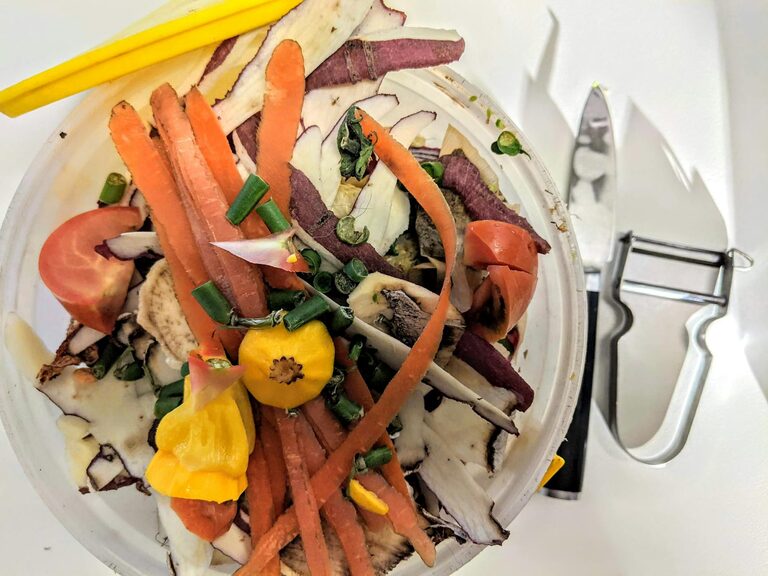
Reducing food waste at home is not only good for the environment but also helps you save money and make the most of your groceries. Many households throw away perfectly good food simply because of poor planning or lack of knowledge. Fortunately, with a few thoughtful habits and practical strategies, you can make a big difference. In this post, we’ll explore easy ways to reduce food waste in your daily life.
Why Reducing Food Waste Matters
Globally, about one-third of all food produced is wasted. This contributes to unnecessary greenhouse gas emissions and wastes natural resources like water and energy used in food production. At home, wasting food means wasting money spent on groceries and the effort you put into meal preparation.
By reducing food waste, you can:
– Save money on grocery bills
– Help conserve natural resources
– Reduce environmental pollution
– Improve your meal planning skills
Plan Your Meals Wisely
One of the main reasons food goes to waste is overbuying or not using ingredients before they spoil. Planning meals ahead of time helps avoid these issues.
Tips for Effective Meal Planning
– Create a weekly meal plan: Decide what you’ll cook each day and prepare a shopping list based on those meals.
– Check your pantry and fridge: Before shopping, take inventory of what you already have to avoid duplicates.
– Shop with a list: Stick to your list to prevent impulse purchases that may go unused.
– Buy only what you need: For perishable items, buy smaller amounts if your household is small or meals are planned carefully.
Store Food Properly
Proper storage extends the life of your food and keeps it safe to eat. Different items require different conditions.
Storage Tips to Extend Freshness
– Keep fruits and vegetables separate: Some fruits release ethylene gas that can speed up spoilage in vegetables.
– Use airtight containers: Store leftovers and fresh produce in sealed containers to maintain moisture and freshness.
– Freeze excess food: If you won’t consume certain foods soon, freezing is an excellent option to preserve them.
– Label and date items: This helps you use older items first and track what needs to be eaten soon.
Use Leftovers Creatively
Leftovers are a fantastic opportunity to reduce waste and save time. Instead of throwing them away, try these ideas:
– Turn leftovers into new dishes: Use extra roasted vegetables in salads or soups, or repurpose cooked meat into sandwiches or stir-fries.
– Freeze leftover portions: Store single portions to reheat later for busy days.
– Make stock from bones and scraps: Use vegetable peelings and meat bones to create flavorful homemade broths.
Understand Expiration Dates
Confusion about date labels often leads to unnecessary waste. It’s important to know the difference between them:
– “Use by” date: Indicates when food might be unsafe to eat. Follow it strictly.
– “Best before” date: Suggests when food will be at its best quality but may still be safe afterward.
Use sensory checks like smell, texture, and appearance to decide if food is still good, especially for “best before” items.
Donate Surplus Food
If you regularly find yourself with extra non-perishable or gently used perishable items, consider donating them:
– Food banks and shelters: Many organizations accept unopened and unexpired food donations.
– Community sharing groups: Some neighborhoods have exchange groups for sharing surplus food.
Sharing food not only helps others but also reduces overall waste.
Compost What You Can’t Use
Even with the best efforts, some food scraps are unavoidable. Composting is an eco-friendly way to dispose of organic waste:
– Set up a compost bin in your yard or kitchen (using special compost bins for indoors).
– Compost vegetable peelings, coffee grounds, eggshells, and other biodegradable waste.
– Use the compost as fertilizer for your garden or plants.
Composting reduces landfill waste and creates nutrient-rich soil.
Adopt Mindful Cooking and Eating Habits
Reducing food waste also involves paying attention to how much you cook and eat:
– Serve smaller portions: Start with smaller servings and allow seconds if still hungry.
– Store and finish leftovers: Make it a goal to clear your fridge regularly by eating what you have.
– Be realistic about recipes: Choose recipes that suit the size of your household and scale portions accordingly.
Final Thoughts
Reducing food waste at home is achievable with small, consistent changes. From better planning and storage to creative cooking and composting, every effort counts. These practices not only benefit your budget but also contribute positively to the environment. Start with one or two tips today and gradually build a waste-free kitchen routine. Your wallet and planet will thank you!
—
Do you have any food waste tips that work well in your home? Share them in the comments below!